
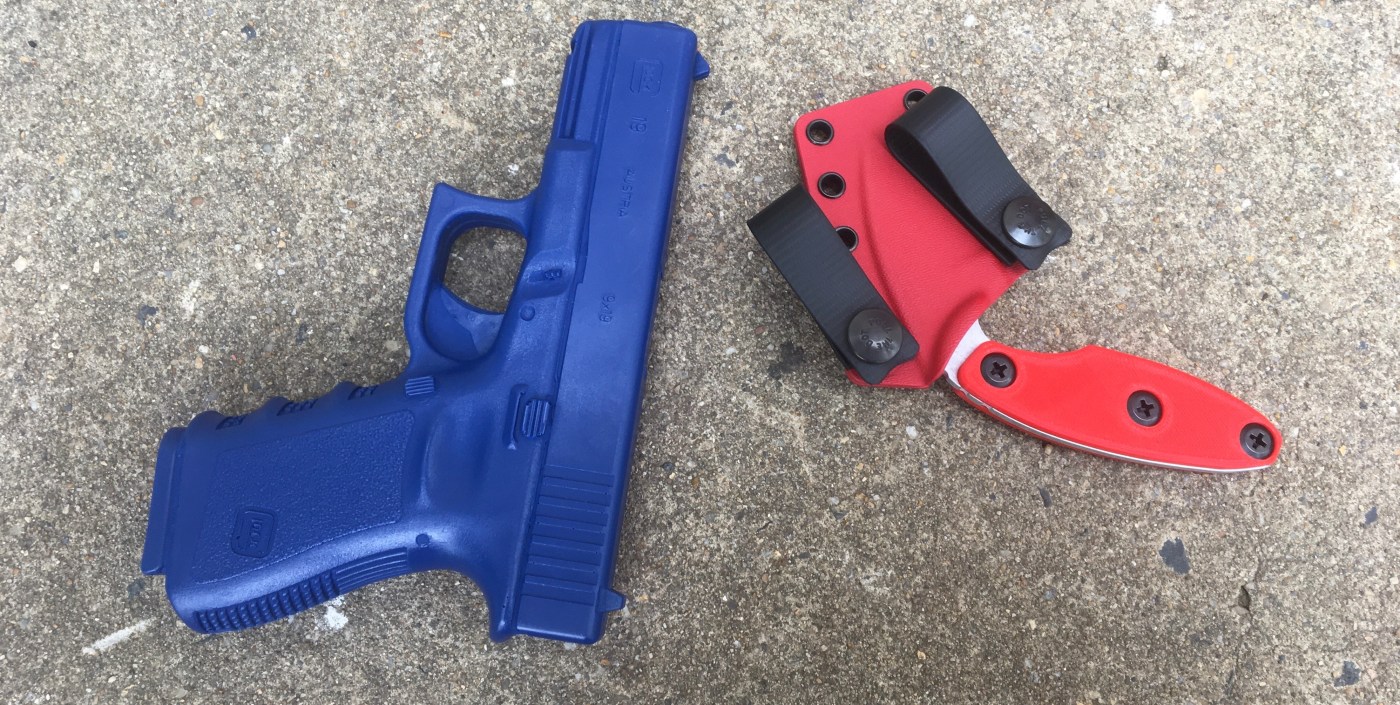
I have written about the “essential skills” for the prepared, armed citizen a number of times, and I believe it is worthy of re-visiting periodically. Many dangers remain, but some things change. Per my continuing training, and based on my ongoing evaluation of the changing nature of the threats that exist within the Continental United States, here is my recommended points of focus in your martial training for 2025:
Medical Skills
You should know CPR, basic first aid, and traumatic medical care. This is a skill you are, statistically, more likely to use then firearms skills. Can you provide CPR? Can you stop traumatic bleeding? If not, start here. At the least, take a CPR class and a Stop the Bleed class. These classes can often be found for minimal, if any, charge, and they are widely available. Each is a dedication of only several hours. Stop the Bleed is excellent, but better yet, take a full-day, or multi-day, TCCC or TECC class, if possible.
Knowledge of Self-Defense Law
Knowing how to use force does little good if you do it inappropriately and spend the rest of your life in prison for it. Before carrying a gun, at minimum, you need to read two books. I get it, most people don’t read anymore, as is obvious based on blog traffic these days here and elsewhere, but this is big boy time and you need to educate yourself. Read The Law of Self-Defense by Andrew Branca and Deadly Force: Understanding your Right to Self-Defense by Massad Ayoob. Both of these gentlemen offer classes, which I highly recommend, but by reading these two books, and truly learning the material, you will be well ahead of the curve.
Dealing with Criminal Encroachment
It is important to know the strategies involved in dealing with criminality on the streets. The Managing Unknown Contacts paradigm, as codified by training Craig Douglas, is probably the best curriculum for this. This skillset involves understanding what to look for to recognize threatening behavior, how to de-escalate potential violence, and how to manage the approach of a potential threat, or multiple threats. This is an essential skillset for the prepared citizen.
Hand Skills
A basic skillset in open hand skills is essential, because no matter what tools you carry, things can always start, or end, in hand-to-hand conflict. While most people don’t dedicate significant time to martial arts, even basic training in combatives goes a long way. Know how to avoid getting knocked out, understand the “fence” principle and the “default position.” Know basic strikes and basic grappling techniques. There are a variety of good instructors teaching valuable seminars and classes in this skillset.
Less-Lethal Tools
It is important to carry, and know how to use, a less-lethal weapon. Roughly 80% of assaults each year are “simple assaults” meaning that they do not constitute “deadly assault” and rarely warrant a deadly response. A simple assault that consists of someone putting their hands on you, in most situations, will not justify a shooting response but will justify a less-lethal weapon, the most versatile being OC (pepper) spray. If justified to use hands, you are justified to use OC spray, which can apply dissuading force against an aggressor at a distance beyond the range of your hands. While hardly perfect, OC spray tends to take the fight out of aggressive individuals who are bent on committing a simple assault.
Handgun Skills
Obviously, the handgun remains the primary defensive tool for the prepared citizen while in the public domain. I am not a fan of the quip “a pistol is made for fighting your way to a rifle.” While the sentiment is sound, as a long gun is always preferable when shooting starts, reality dictates that, when outside of the home, violence is dealt with through only what you have. The concealed handgun is the firearm most likely to be employed in life-saving rescue. While being competent with rifles is a valuable skill, the handgun should receive the most attention. An efficient, predictable, and quick draw to a first, accurate, on-demand hit is an essential skill. Further, the ability to safely and effectively move with the gun is necessary.
Defensive Tactics
Basic defensive tactics, such as how to protect your home, how to position in public, and what to look for when traversing transitional spaces, is in order. While “clearing” structures is never advisable, some basic training in doing so is a sound idea. Although of limited application in civilian self-defense, a command of low-light skills and tactics is in order as well.
Long Gun Skills
Finally, all prepared citizens should be equipped and trained in the use of a defensive long gun. the AR15 tends to be the most versatile option in this regard, though a shotgun or other type of rifle may suit individual needs better. While civilian self-defense is usually a fast and unexpected affair that find resolution through on-body tools in public settings, a long gun is always preferable and superior if time offers the ability to access one, which is primarily confined to the domain of home defense. Further, should we find ourselves the victims of an inbound terror attack in the style of what was witnessed in Israel, you will certainly want to be able to access a long gun, likely a rifle, to defend home and community.
These are my recommended skills to focus on in 2025.
For the best prices on ammunition, shop Ammoman.com https://www.ammoman.com/
For the ammo I use for training, go to: https://www.ammoman.com/9mm-blazer-brass-124-grain-fmj-5201-1000
 Reflex Handgun
Leave a comment